Close-up of an SUV's front end splashing through muddy water, creating a dynamic spray. The scene conveys excitement and off-road adventure.

A 4x4 Driver's Guide to Mud Terrain in the Philippines


In the Philippines, mud isn't just a kind of terrain, it’s a challenge. It’s a promise of adventure, born from our tropical climate, monsoon seasons, and unique geology. The challenges you'll face are as diverse as the islands themselves.

From the slick, greasy clays of the Sierra Madre to the abrasive volcanic slurry around Mt. Pinatubo, understanding the off-road terrain is the first step to conquering it. This guide breaks down the distinct types of mud terrain you'll encounter in the country and how the right tires and techniques can help you master every trail.

Four Types of Filipino Mud Terrain Every Driver Should Master

We can classify the mud you'll find by its behavior, how it feels, and how it affects your vehicle.

mud tire in action

1. Sticky Mud (Laterite Clay)

This is the most notorious mud terrain in the Philippines. It's the thick, heavy, and clingy red clay that defines trails in regions like Rizal, Surigao, and other mountainous areas.

  • What it is: It’s laterite clay, a soil rich in iron oxide, which gives it that distinct red color. When exposed to air, they become as hard as iron.
  • How it affects driving: Its fine, sticky particles instantly pack the tread voids of lesser tires, turning even aggressive patterns into useless slicks. It causes a complete loss of traction and directional control. It’s the kind of mud terrain that turns a weekend trail run into a real test of will.
  • Tire solution: You need a tire built to fight back with massive, deep lugs and extremely wide voids. Its self-cleaning design uses wheel spin to actively fling the mud out, allowing the tread to bite the ground again.


dry soil

2. Slippery Mud (Loam and Clay Film)

It’s the slick, ice-like mud you can find on most forested trails and riverbanks, especially after a light or recent rain.

  • What it is: This mud is often a thin, slippery film of jungle loam or silt sitting on top of a harder-packed base.
  • How it affects driving: This is where driving in mud becomes like driving on ice. The primary danger is a loss of lateral control. Your 4x4 will feel like it’s skating on glass, especially on side slopes (camber) or in ruts.
  • Tire solution: This mud terrain demands a tire with aggressive siping and side-biter lugs on the sidewall. These features provide extra biting edges to cut through the slick film and grip the surface underneath.


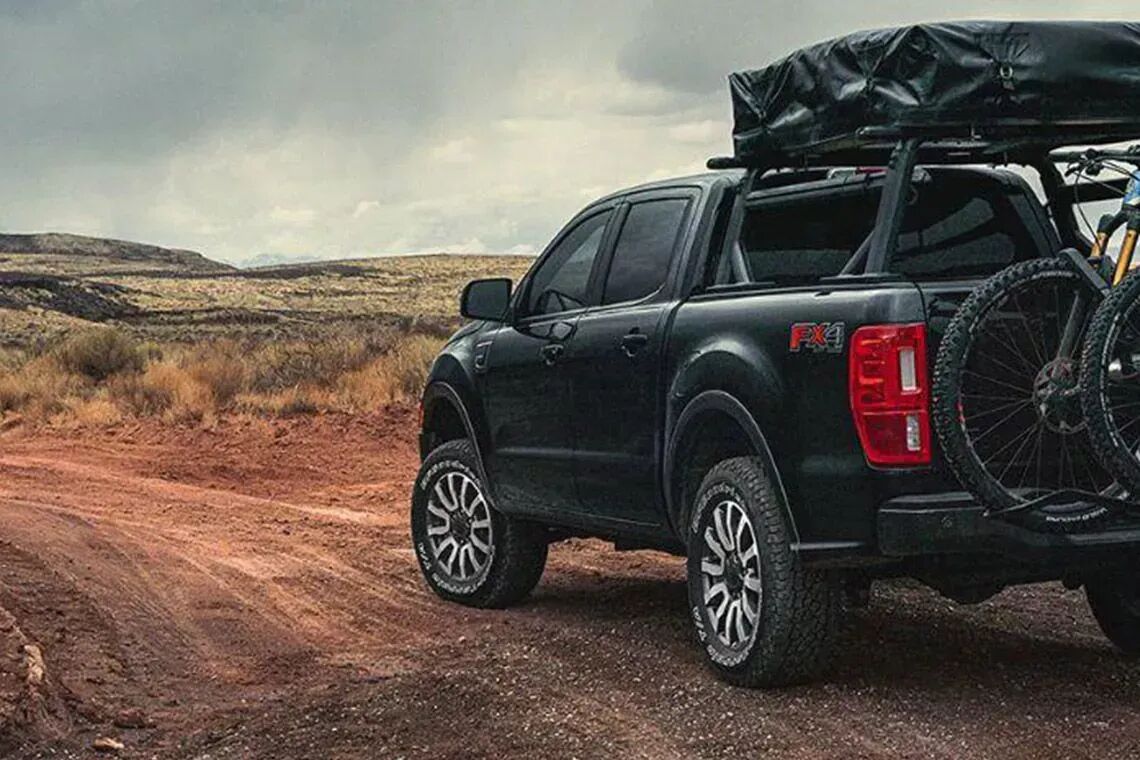
pickup truck off road

3. Deep Wet Mud

This mud terrain is completely saturated with water. In the Philippines, this type of off-road terrain presents two very different and dangerous challenges.

  • A) The jungle bog (loam): In forested areas and lowlands, this is the bottomless mud pit. It's a dark, soupy mix of soil, water, and organic matter. The main risk is sinking and hidden hazards, like sharp rocks or tree roots, that can puncture a sidewall.
  • B) The lahar (volcanic mud): A hazard found near volcanoes like Pinatubo and Mayon. It’s a dense, heavy slurry of volcanic ash and water that behaves like wet concrete. It's abrasive and creates immense drag. The risk here is sinking. If you stop, your vehicle can be cemented as the lahar settles.
  • Tire solution: For both types, you need two things: flotation (a wide footprint to stay on top of the mud) and durability. A tire with a heavily reinforced sidewall is important to resist punctures from hidden hazards.


dirt sphlash

4. Dry, Cracked Mud

This is what happens when the rainy season ends. That sticky laterite clay or lahar field bakes in the sun, creating a brutal, unforgiving surface.

  • What it is: A brick-hard surface of dried, caked clay with deep, jagged cracks and ruts.
  • How it affects driving: On this type of off-road terrain, the challenge isn't traction. It's durability. This terrain is a punishing, non-stop vibration test on your suspension and can easily chip, chunk, or break a weaker tire.
  • Tire solution: A surface like this demands a tire with a tough, reinforced casing and a chip-resistant tread compound to absorb and withstand constant, sharp impacts.


The BFGoodrich Solution for Filipino Mud Terrain

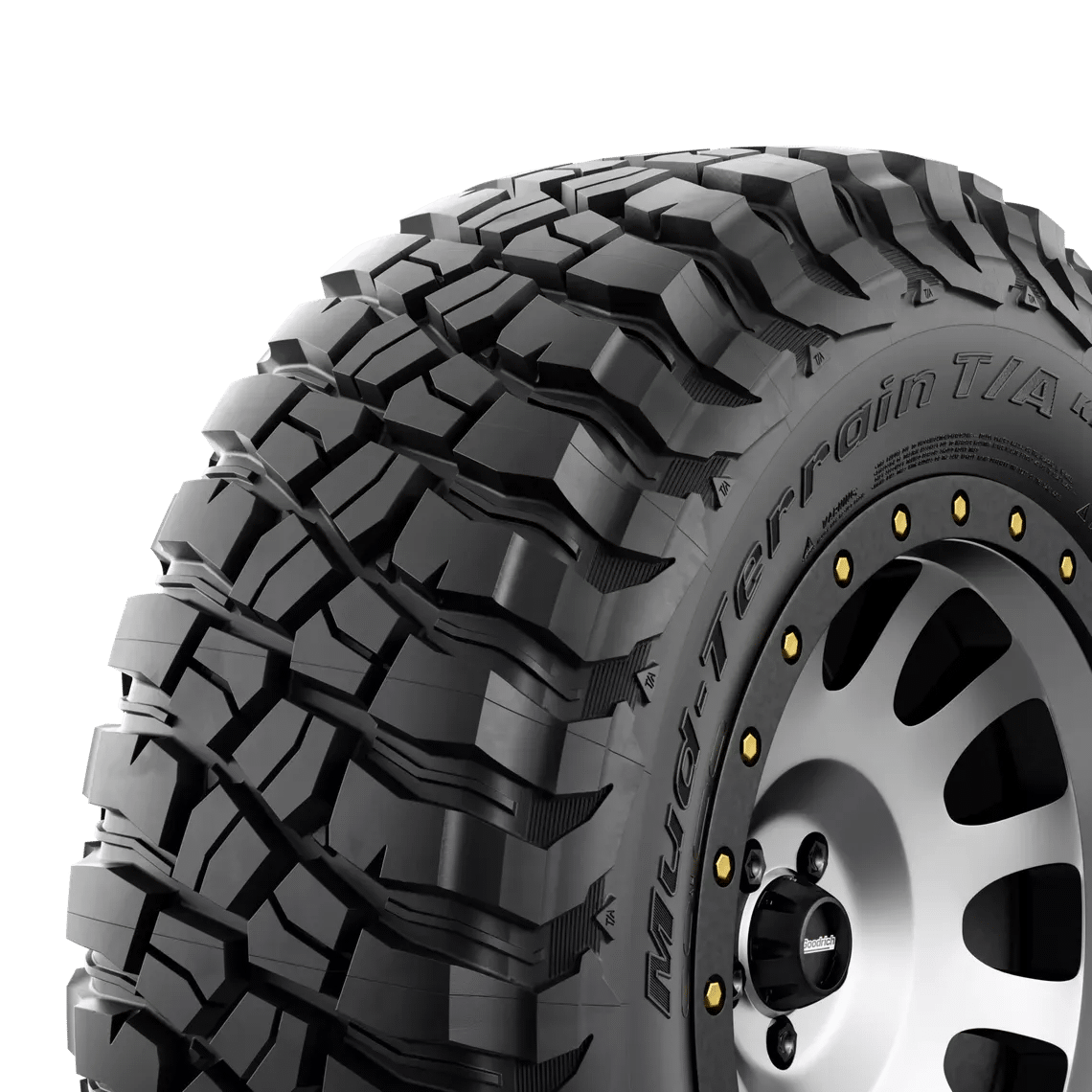
To handle the specific challenges of Philippine mud terrain, you need tires that are engineered for these exact conditions. The BFGoodrich Mud-Terrain T/A® KM3 is designed to handle everything from sticky laterite to hidden jungle hazards.


land rover with km3
  • To beat sticky clay: The KM3's Mud-Phobic bars and massive Terrain-Attack tread blocks are designed for maximum self-cleaning, clearing clogged mud for continuous grip.
  • To resist punctures: The CoreGard Max technology uses a race-proven, thickened sidewall to defend against punctures and slashes from sharp rocks, roots, and lahar debris.
  • To master slippery surfaces: The advanced Krawl-TEK compound and siped tread blocks provide relentless grip on wet, slick terrain, giving you the complete control you need.
  • To survive dry, hard-baked mud: The KM3's tough, durable casing is built to withstand the punishing impacts of dried, rutted-out trails.


Expert Tips for Driving in Mud

  1. Scout first: Before you plunge in, check the depth and consistency with a stick or by walking it. Look for hidden obstacles. Never enter deep mud blindly. Know what you’re facing.
  2. Engage 4WD (low-range): Shift into 4-Low before you enter the mud, not after you're already stuck. Doing so gives you maximum torque from the start.
  3. Maintain steady momentum: This is the golden rule. Not speed, but momentum. Read the terrain ahead and keep a steady, controlled pace to float over the mud and create a bow wave in deeper bogs. If you stop while driving in mud like lahar or a deep bog, you will get stuck.
  4. Control your wheel spin: In most mud, flooring it just digs you deeper. However, in sticky laterite clay, you will need to apply more power and wheel speed to clear your treads.
  5. Steer smoothly: Avoid abrupt and jerky steering. If you lose traction and start to slide, gently turn your wheels in the direction of the slide to regain control.
  6. Airdown for flotation: Lowering your tire pressure (e.g., to 15-20 PSI) increases the tire's footprint. This helps you float on top of deep, bottomless mud instead of digging down.
  7. Never drive alone: This is a central part of the local 4x4 culture. Always go with at least one other capable driver. A buddy with a tow strap is the best recovery gear you can have when tackling challenging mud terrain.


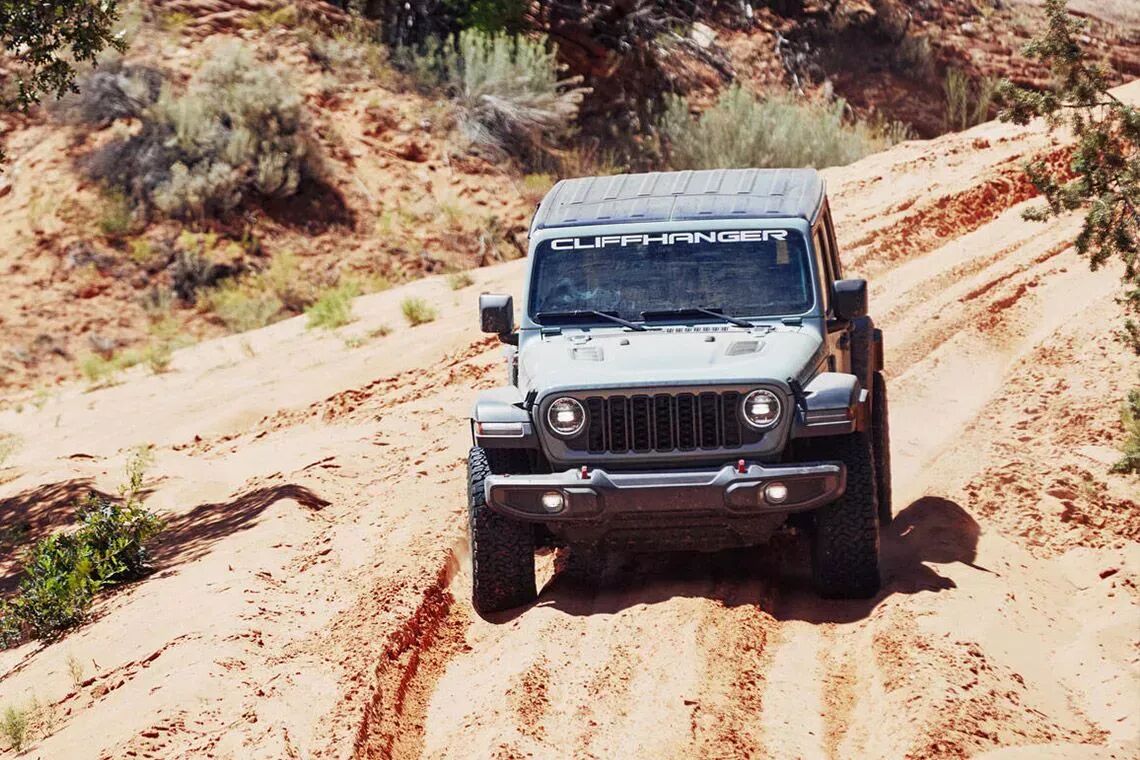
land rover hill climbing 1

Equip Your 4x4 for the Toughest Trails

Don't let the off-road terrain dictate your adventure. From the slick red clays of the north to the abrasive volcanic fields of the south, Filipino mud presents a world-class challenge. Answer the call. Join the strong community of adventurers and equip your vehicle with tires built to conquer mud terrain.

Visit your local BFGoodrich dealer to get the grip, toughness, and durability you need for your next off-road adventure.

You are using an unsupported web browser
You are using a website browser that is not supported by this website. This means that some functionnality may not work as intented. This may result in strange behaviors when browsing round. Use or updgrade/install one of the following browsers to take full advantage of this website